

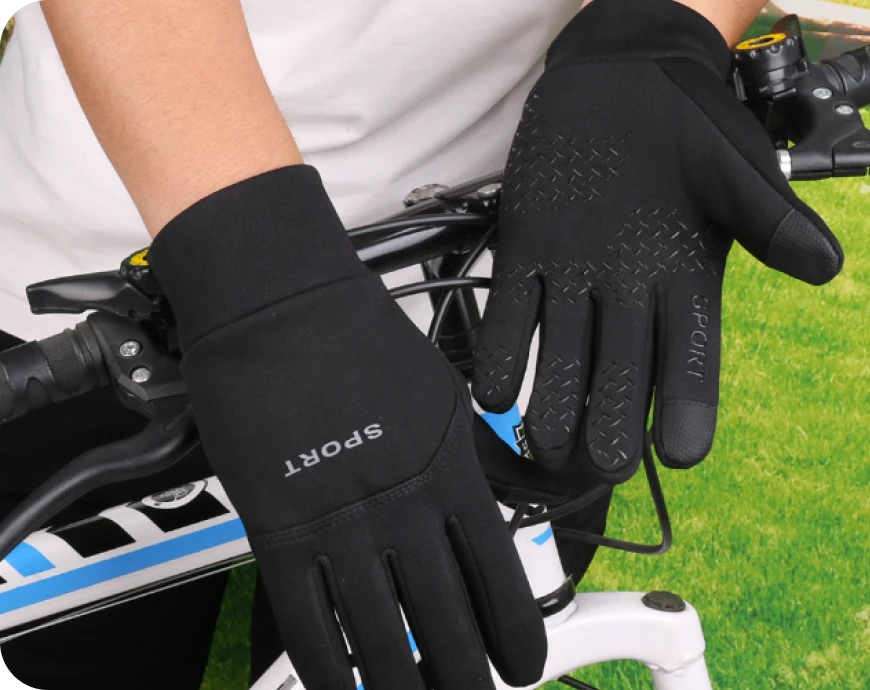


black deerskin gloves
If you typed Deerskin For Sale into your browser, you’re not alone. Deerskin has long been the gold standard for soft, tough, all-weather gloves. But here’s the thing insiders whisper at trade shows: supply is tight, prices have climbed, and many buyers are quietly shifting to premium pigskin as a smarter, more available alternative—especially for workwear that gets wet and stays in service all week. I’ve toured tanneries and glove lines from Hebei to the Midwest. Deerskin remains lovely—supple and forgiving—but pigskin’s pore structure gives it surprising breathability and resilience after repeated wet-dry cycles. Many customers say it breaks in fast and just keeps going. That’s why I’m spotlighting Pigskin Gloves produced in Xinji City, Hebei, China (east side of the northern section of Education Road, Xinji Town). The factory’s been doubling down on quality control and traceability, which frankly matters more than the hide species alone. Industry trends (and why it matters) Supply dynamics: Deerskin availability is seasonal and limited; pigskin supply is steadier, which stabilizes cost. Sustainability: More tanneries are adopting chrome-management and Cr(VI) controls per ISO methods. Performance shift: Contractors report pigskin holds up better in damp job sites than expected. Product snapshot: Pigskin Gloves (premium work grade) Designed for durability without sacrificing dexterity. Reinforced stitching, snug wrist closure, ergonomic pattern to reduce fatigue. Available sizes S–XXL. Spec Typical Value (≈, real-world use may vary) Leather Full-grain pigskin Thickness ≈0.9–1.1 mm Abrasion (ASTM D3884) >10,000 cycles Taber CS-10, 1 kg Tear strength (ISO 3377-1) ≈60–80 N EN 388 rating 3122X (sample lot) Service life ≈6–18 months depending on duty cycle Process flow and testing Materials: graded pigskins; thread (poly core-spun); elastic knit cuffs (optional). Methods: eco-managed chrome tanning; drum dyeing; pattern cutting; double-needle stitching; edge binding; wrist closure attachment. Testing standards: EN 388:2016 mechanical risks; EN 420 fit and innocuousness; ISO 2419 physical testing; ISO 17075-1 Cr(VI) determination; ASTM D3884 abrasion. Certifications: Factory ISO 9001 QA system (available on request); CE conformity for PPE category where applicable. Where they shine Construction and carpentry, HVAC installs, landscaping, warehouse handling. Farm & ranch chores where gloves get damp, then dry—again and again. DIY projects and light mechanical work; surprisingly comfy for driving. Vendor snapshot and comparison Vendor Material MOQ Certs Lead Time Notes Hebei Personal Care (Xinji) Pigskin ≈300 pairs ISO 9001, EN 388 15–25 days Good wet performance; competitive cost Northwoods Leather Co. (US) Deerskin ≈100 pairs EN 420, local QA 20–35 days Ultra-soft; higher price EU Workwear OEM Goatskin ≈500 pairs CE PPE, EN 388 25–40 days High dexterity; mid-price Customization Colors, palm patches, logo emboss/deboss, fleece or Thinsulate-style liners, touch-tip fingertips, retail-ready packaging. Typical sampling: 5–10 days; production: 15–25 days after approval. Real-world case A Midwest concrete contractor switched from deerskin to these pigskin gloves during a rainy spring. Result: ≈22% cost savings per quarter and about 15% longer wear before palm fatigue. Crew feedback: “breaks in fast,” “stays grippy after getting wet,” and “no hot hands at noon.” So, if you came looking for Deerskin For Sale , fair enough—deerskin is fantastic. But if you need dependable, breathable gloves that keep working after the fifth rain of the week, premium pigskin deserves a spot in your cart. Authoritative references EN 388:2016 Protective gloves against mechanical risks. Overview via BSI: https://knowledge.bsigroup.com ISO 17075-1:2017 Leather — Determination of chromium(VI) content. ISO: https://www.iso.org ASTM D3884 Standard Test Method for Abrasion Resistance of Textile Fabrics (Taber). ASTM: https://www.astm.org OSHA 29 CFR 1910.138 Hand Protection. OSHA: https://www.osha.gov
quality and competitive market prices.
-
Glove Sample Creation

 Glove Sample CreationCreate glove samples based on customers' designs and specifications, ensuring counter samples are completed and approved for production.
 -
Custom Branded Accessories Development

 Custom Branded Accessories DevelopmentSupport customers in sourcing and designing accessories and packaging with their private brand for a customized touch.
 -
Private Label Glove Production

 Private Label Glove ProductionManufacture gloves following approved samples with branded accessories, ensuring timely delivery of high-quality products.
 -
Quality Control and Testing

 Quality Control and TestingConduct thorough quality checks and testing throughout the production process to ensure gloves meet all customer requirements and industry standards before delivery.
Whether for work or sports, these gloves exceeded my expectations. Highly recommend to anyone looking for reliable hand protection!"